As Senate prepares to debate Farm Bill, take time to thank a farmer

By National Grange President Edward L. Luttrell
May 29, 2012
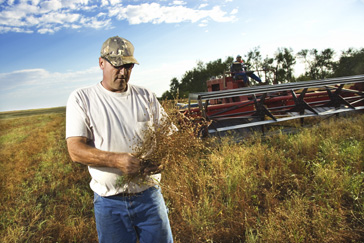 As the Senate prepares to debate the 2012 Farm Bill, a significant piece of legislation, we see scrutiny of the agriculture industry and the recent “record profits” by the media, economists, and laypersons often having little knowledge of either agriculture or the bill itself.
While Washington struggles to save pennies, farmers are doing their fair share with the Senate’s proposed Farm Bill; shaving the requested $23 billion from farm programs. Considering that commodity policies comprise less than one-quarter of one percent of the federal budget – about 25 cents of every $100 paid in taxes – this is a huge cut to the nation’s most vibrant industry.
The population has more than doubled since 1960 and yet American agriculturalists feed the 311 million people living in the United States, as well as millions of people consuming the $132 billion worth of food exported from the U.S. in 2011. Americans are paying just over 9 percent of their income on food, less than any other country on Earth. United States agricultural products are also considered the safest, most affordable, and most reliable in the world. In fact, since 1959, food has been one of the few areas of the economy for which the United States could report a positive balance of trade.
With each Farm Bill, farmers are expected to do more with less. Agricultural policy funding was already slashed by $7.4 billion in 2008, and again by $6 billion in 2010. It is also worth noting that only 11 percent of funding for the Farm Bill goes to farm policies. The rest is allotted for food and nutrition programs like SNAP benefits, most widely known as food stamps. American agriculture also employs 14 percent of the U.S. workforce, or about 21 million people. This is more than six times as many workers as the automotive industry – which received an $80 billion bailout in 2008. Add it up, that’s more than 10 times the premium paid by taxpayers for agriculture last year through taxpayer-subsidized, government crop insurance.
Farmers, more than those in almost any other profession, face unanticipated risk. Tornadoes, hurricanes, floods, droughts, blizzards, and other unforeseen misfortunes are just a few risks to which agriculture is subjected. American agriculture lost an estimated $10 billion in revenue last year due to floods in the Midwest, droughts in the southern states, and hurricanes along the coast. There is perhaps no other industry in the world more vulnerable than agriculture. Regardless of all Mother Nature throws at the farmers – not to mention commodity price fluctuation and global currency market disparities – Americans still expect to go to the grocery store and find food.
In addition, farmers themselves are certainly not going to get rich under the current Farm Bill proposals. In 2010, the average income of American farming households was $54,162; well in line with the overall average income of about $50,000. However, of every dollar spent on food in the United States, farmers receive less than 20 cents. In some instances they receive even less. For example, from every box of cereal sold, farmers only receive 8 cents. From every bag of potato chips sold, farmers only receive 10 cents. The majority of the costs associated with these and other foods come from processing and marketing- not the agricultural component.
As rhetoric related to farming ramps up and pundits often mislay facts, it’s important to understand that farmers are not reaping profits at the expense of taxpayers. I hope you keep these facts in mind as you read and listen to the debate related to the 2012 Farm Bill. The unique hardships and challenges faced by farmers and ranchers are rarely discussed, yet the contributions they make to society and the global economy as whole are unmatched by any other industry. Just as we thank the veterans who fight for our country in foreign lands, we should thank the farmers who grow the food that sustain us, our children, and people all over the world.


