Congress Can Do More to Improve Rural Health Care

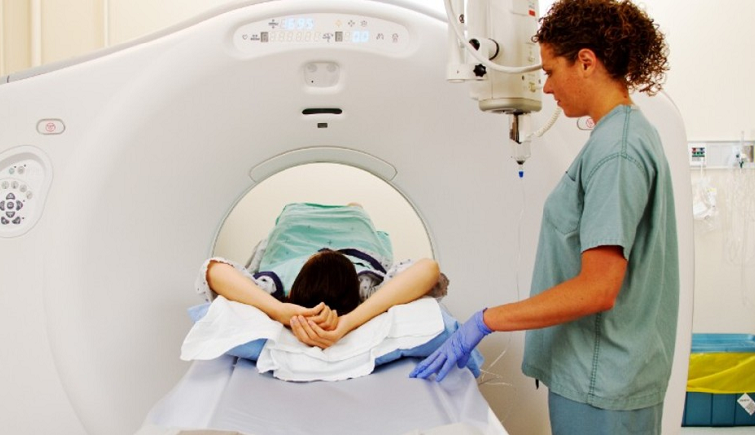 It should come as no shock that one side effect of America’s continued urbanization is a diminishing lack of access to healthcare in rural areas, especially in referral-based, specialist medical services like radiology. COVID-19 has only exacerbated the ongoing situation wherein fewer radiologists are serving more Medicare patients than ever. This means longer wait times and, often, decreasing quality of care for those who need it most.
Fortunately, there is bipartisan support for the Medicare Access to Radiology Care Act (MARCA), a critical piece of legislation would help solve this acute healthcare crisis in rural communities if only it was freed from the political gridlock in Washington many smaller, stand-alone bills often face.
As it stands, 33 states recognize radiologist assistants (RAs) as medical professionals who can perform all patient management, medical imaging examinations, and image-guided procedures under direct supervision of a radiologist. Radiology practices, however, cannot submit Medicare reimbursement claims for these critical imaging services that are ideally performed by RAs because Medicare does not recognize RAs as authorized providers for these services. These include discussing procedures with patients, various hands-on aspects of the patient procedures themselves, and a host of other aspects of patient care.
MARCA would change this outdated distinction and allow Medicare to reimburse the radiologists that hire RAs for select radiology procedures and time-consuming, patient-centric non-imaging care that can be done at 85% of the cost if a radiologist had done the same.
By better utilizing the highly trained and knowledgeable RA’s in our rural areas, each radiology practice can operate at maximum efficiency while also preventing radiologist burnout from overwork. Many non-critical access hospitals have a team of fewer than five radiologists, so the addition of an RA would not only ensure a more evenly distributed workload across practices but would also increase appointment availability for minor procedures and consultations, improving patient access on the ground floor by eliminating backlogs.
Many radiology departments of rural hospitals are only able to schedule regular and minor procedures for 1-2 hours per day, meaning many patients must wait for the next available time slot. In rural America where one might have to drive hours to the closest practice, these delays amount to an undue burden. With an RA on staff working at their full scope of practice and supervised by a radiologist who can bill Medicare for these services, these facilities could double or even triple the amount of time they can dedicate to those same procedures, greatly improving access to care.
This division of labor between radiologists and RAs would not only allow departments and practices to see more patients but also improve the quality of care. Other than a radiologist, RA’s receive more specialized training than any other health care provider, ensuring rural practices can maintain the rigorous safety standards radiologists and RA’s are trained to meet.
It is therefore no surprise that surveyed patients are overwhelmingly more satisfied when an RA is involved. These highly skilled technologists can spend more time with patients and their families to educate them on procedures, side effects, and follow-ups. America’s rural communities are the backbone of our country, and people therein represent why our nation is as strong as it is.
To ensure this remains true in the future, Washington needs to address the pressing healthcare issues that rural communities face across the nation. Passing this legislation is therefore an easy decision that would increase access, improve patient care, and reduce Medicare costs. Congress must act now to pass MARCA.


