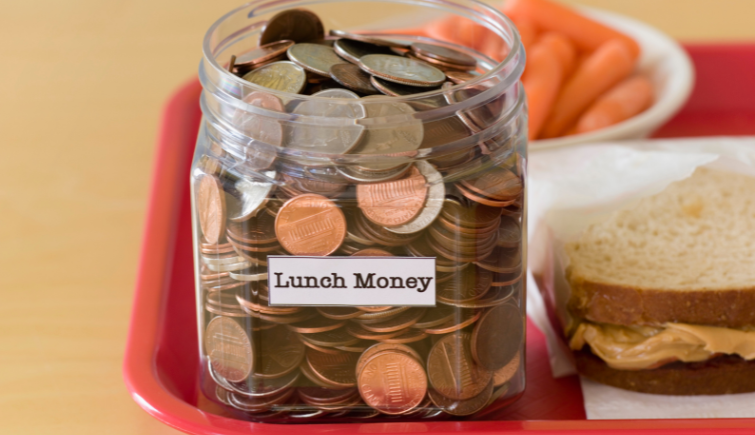
• School Meal Assistance

    School meal assistance programs provide funding or donated meals to ensure children in need have access to healthy, nutritious lunches or breakfasts during school hours. These programs can help combat food insecurity in communities where families may struggle to provide balanced meals. Granges can sponsor
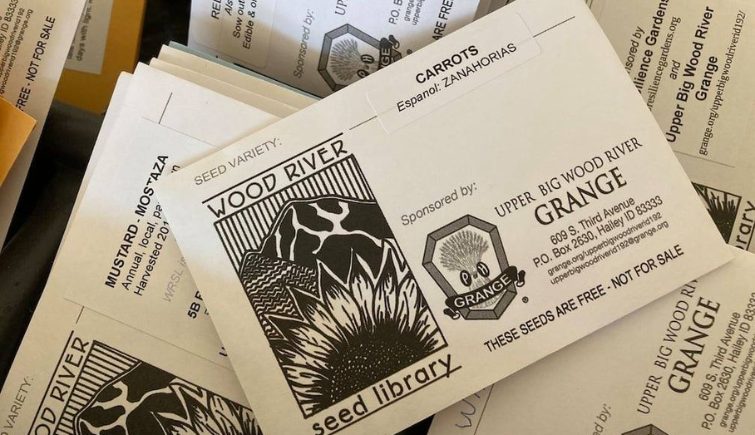
  • Seed Libraries

    A seed library allows community members to borrow seeds for gardening, encouraging self-sufficiency and biodiversity. Participants grow their own food, save seeds from their harvest, and return them to the library for others to use. This initiative supports local food security by fostering sustainable gardening practices, especially in communities where access to quality seeds might be limited.
  • Low-Cost Community Dinners

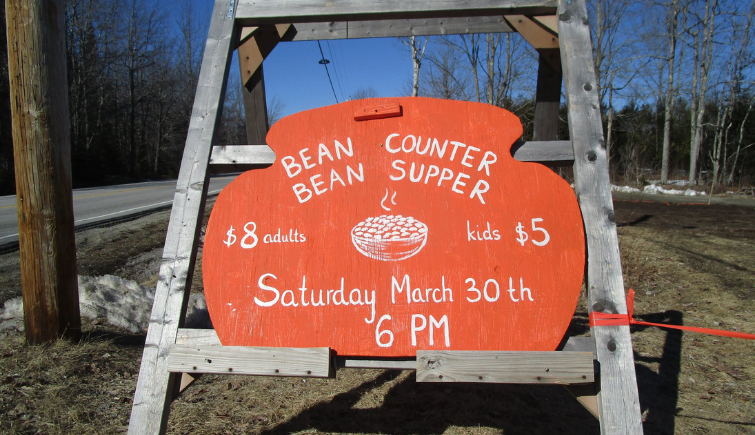
    Low-cost community dinners are a great way to bring people together while addressing food insecurity. These events provide affordable meals, often focusing on healthy options that meet the dietary needs of a diverse community. These dinners are especially useful for low-income or senior members who may struggle to cook for themselves
  • Fruit Tree Planting Drives

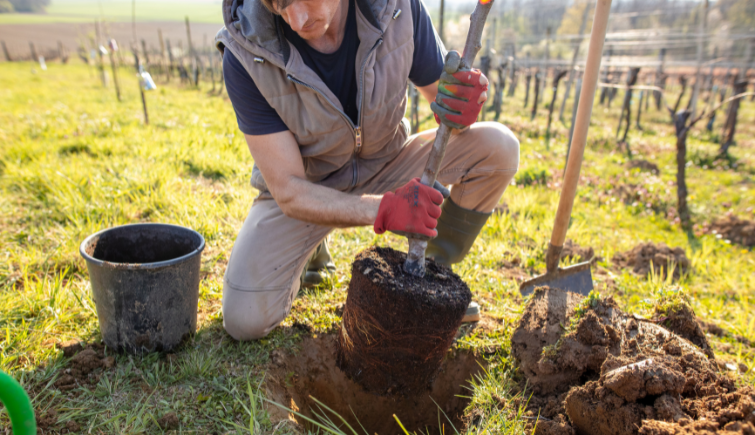
    Fruit tree planting drives provide a long-term, sustainable source of fresh fruit for communities. This initiative encourages community members to participate in planting fruit trees on public land, school grounds, or other shared spaces, offering an ongoing supply of nutritious food. These programs also help green the community and
  • Garden Tool Drives

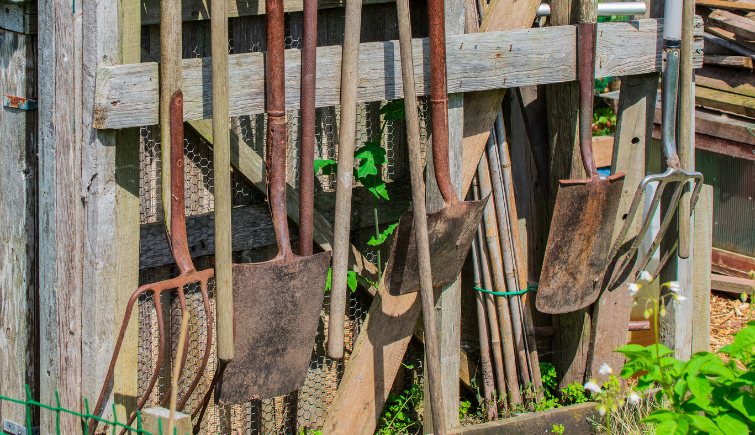
    A garden tool drive collects donations of gardening tools, such as shovels, rakes, hoses, and gloves, to support community members who want to start gardening but cannot afford the necessary equipment. The tools can be distributed to individuals, families, or community gardens to help
  • Edible Plant Tours

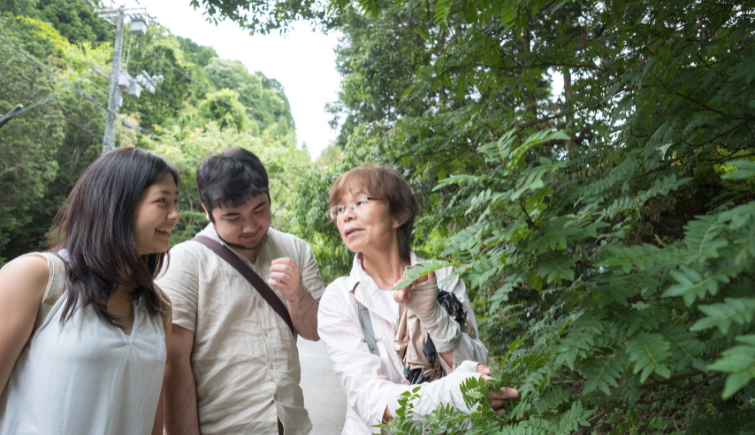
    Edible plant tours introduce community members to the wild and cultivated edible plants in their area. These tours teach participants how to identify and forage for food in local parks, forests, or backyards. The goal is to increase self-sufficiency by teaching individuals how to gather food from the natural
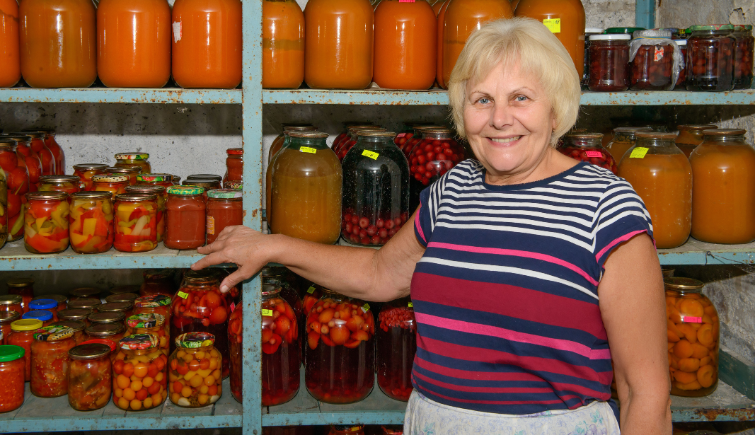
  • Root Cellar Workshops

    Root cellar workshops teach participants how to build and maintain root cellars for storing food during the winter months. Root cellars are an effective way to preserve vegetables, fruits, and other perishables by keeping them cool and moist
  • Youth Food Ambassadors

    Youth food ambassador programs empower young people to become advocates for healthy eating and food security within their communities. These ambassadors can organize events, conduct food drives, or lead educational initiatives about nutrition and sustainable agriculture. The program provides youth with leadership
  • Clothing and Food Swap Events

    Clothing and food swap events allow community members to exchange clothing and non-perishable food items they no longer need. This reduces waste and gives individuals access to essential items without having to spend money. The events can foster a spirit of cooperation and Individual & Community Resilience by encouraging
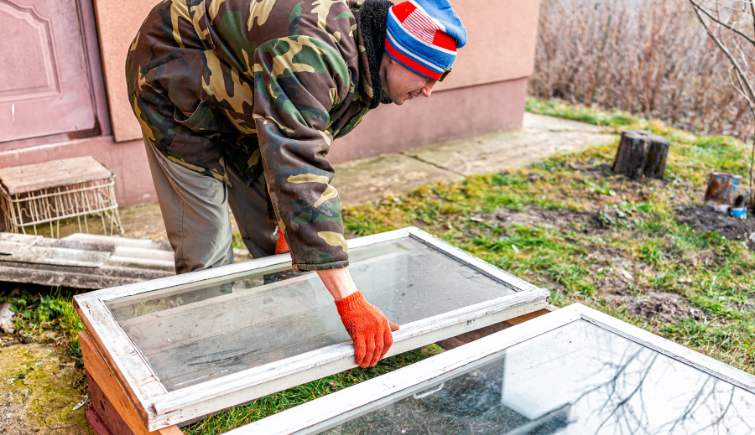
  • Winter Garden Projects

    Winter garden projects teach participants how to grow food during the colder months. These projects can include setting up greenhouses, using cold frames, or utilizing techniques like hydroponics to grow vegetables year-round. The goal is to help people extend the growing season, increase food security, and reduce reliance on store
  • Emergency Food Kits

    Emergency food kits are pre-packaged meal kits designed to provide essential nutrition in case of natural disasters, emergencies, or periods of food scarcity. These kits can be distributed to community members in need, ensuring that they have access to food during times when grocery stores may be inaccessible or when they
  • Healthy Cooking Classes

    Healthy cooking classes teach participants how to prepare nutritious, affordable meals using whole foods. These classes focus on cooking methods that preserve nutrients, meal planning on a budget, and understanding the benefits of a balanced diet. By providing the skills to cook healthy meals, these classes help build
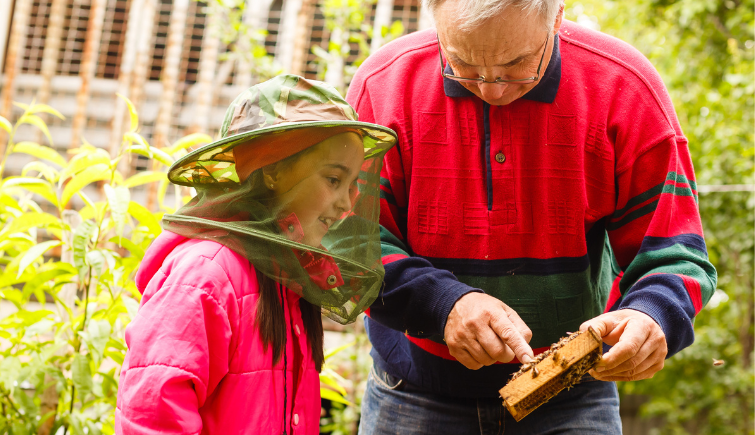
  • Backyard Beekeeping Classes

    Backyard beekeeping classes teach individuals how to start and maintain beehives in their own yards. These classes cover topics such as hive setup, bee behavior, honey production, and the ecological importance of pollinators. Beekeeping is a valuable skill that contributes