When Everyone in Monroe was a Farmer

By Bill Bittar | MonroePatch
The following is the second part of a series on Harmony Grange No. 92, Patrons of Husbandry. April is Grange Month. Harmony Grange’s members live in Trumbull, Shelton and Monroe.
Crops on James Burr’s farm included tobacco, along with vegetables like asparagus, peas, potatoes and turnips. Among the fruit growing on his family’s Elm Street property were grapes, apples, peaches and plums. But the strawberry harvest proved to be the cash cow in the late 1800’s, according to town historian Edward Coffey’s book, “A Glimpse of Old Monroe.”
According to the U.S. Census, 994 people lived in Monroe in 1890.
“Everyone was a farmer,” said Nancy Zorena, a member of the Monroe Historical Society, adding residents practiced other trades during the winter.
Produce was delivered along dirt roads by horse and buggy and by train. The Housatonic Railroad made its first stop in Stepney on its way from Bridgeport to New Milford in 1840 and the Berkshire Line of the Derby Extension first ran through Stevenson in 1888, according to Zorena.
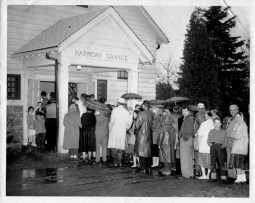
In 1889, town farmers decided to organize and share ideas about their occupation. The group met at Monroe Congregational Church on Jan. 18 for the first meeting of the Harmony Grange, which would become the 92nd Grange in Connecticut.


