Project Sustenance
[ctu_ultimate_oxi id=”39″]
School meal assistance programs provide funding or donated meals to ensure children in need have access to healthy, nutritious lunches or breakfasts during school hours. These programs can help combat food insecurity in communities where families may struggle to provide balanced meals. Granges can sponsor Seed Libraries
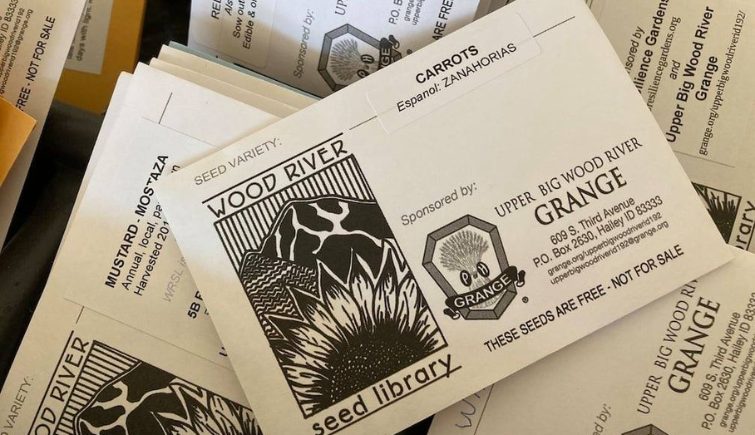
A seed library allows community members to borrow seeds for gardening, encouraging self-sufficiency and biodiversity. Participants grow their own food, save seeds from their harvest, and return them to the library for others to use. This initiative supports local food security by fostering sustainable gardening practices, especially in communities where access to quality seeds might be limited.Low-Cost Community Dinners
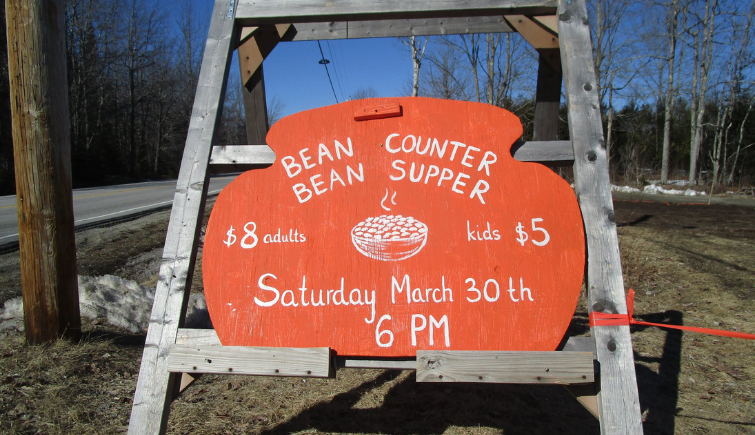
Low-cost community dinners are a great way to bring people together while addressing food insecurity. These events provide affordable meals, often focusing on healthy options that meet the dietary needs of a diverse community. These dinners are especially useful for low-income or senior members who may struggle to cook for themselvesFruit Tree Planting Drives
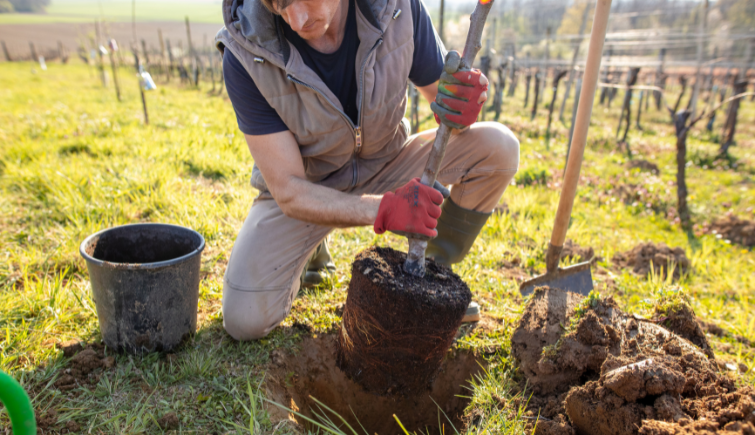
Fruit tree planting drives provide a long-term, sustainable source of fresh fruit for communities. This initiative encourages community members to participate in planting fruit trees on public land, school grounds, or other shared spaces, offering an ongoing supply of nutritious food. These programs also help green the community andFood Waste Reduction Programs
Food waste reduction programs promote the responsible use of food by educating individuals and families on how to minimize waste in the kitchen. These programs might include composting, proper food storage, and creative ways to repurpose leftovers. The goal isNutritional Education in Schools
Nutritional education in schools helps teach children about the importance of healthy eating and how to make nutritious food choices. Granges can partner with local schools to offer workshops, cooking demonstrations, and interactive lessons about nutrition. TheseGarden Tool Drives
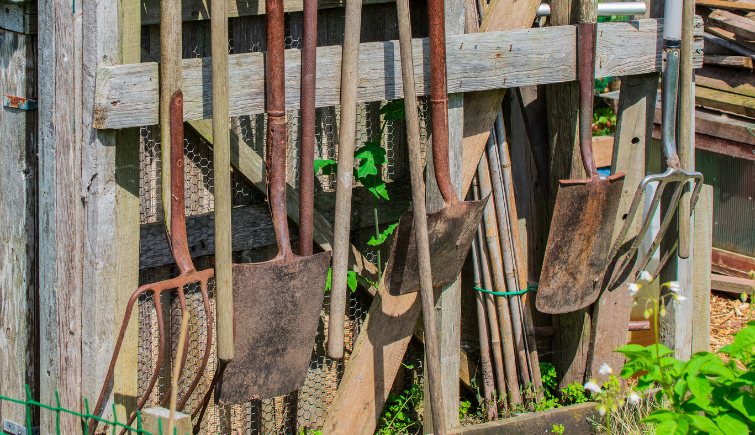
A garden tool drive collects donations of gardening tools, such as shovels, rakes, hoses, and gloves, to support community members who want to start gardening but cannot afford the necessary equipment. The tools can be distributed to individuals, families, or community gardens to helpEdible Plant Tours
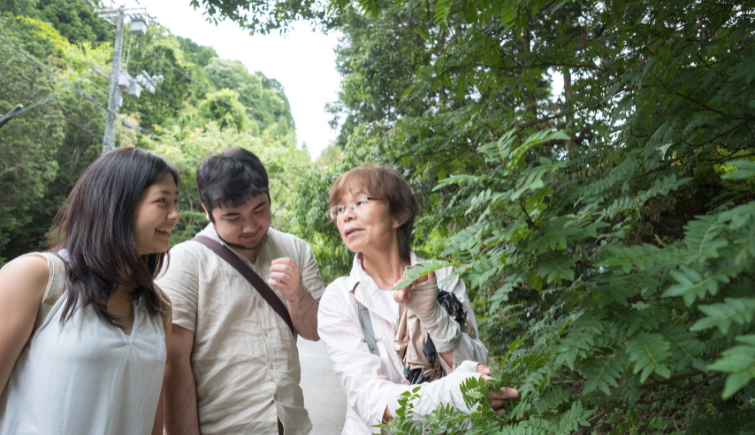
Edible plant tours introduce community members to the wild and cultivated edible plants in their area. These tours teach participants how to identify and forage for food in local parks, forests, or backyards. The goal is to increase self-sufficiency by teaching individuals how to gather food from the naturalRoot Cellar Workshops
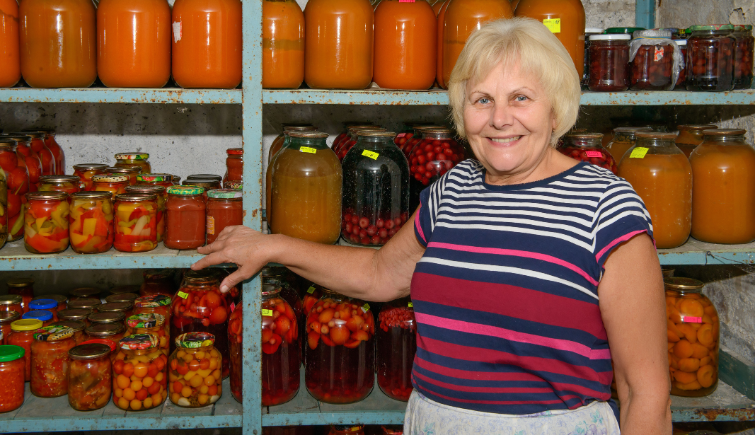
Root cellar workshops teach participants how to build and maintain root cellars for storing food during the winter months. Root cellars are an effective way to preserve vegetables, fruits, and other perishables by keeping them cool and moistYouth Food Ambassadors
Youth food ambassador programs empower young people to become advocates for healthy eating and food security within their communities. These ambassadors can organize events, conduct food drives, or lead educational initiatives about nutrition and sustainable agriculture. The program provides youth with leadershipClothing and Food Swap Events
Clothing and food swap events allow community members to exchange clothing and non-perishable food items they no longer need. This reduces waste and gives individuals access to essential items without having to spend money. The events can foster a spirit of cooperation and Individual & Community Resilience by encouragingWinter Garden Projects
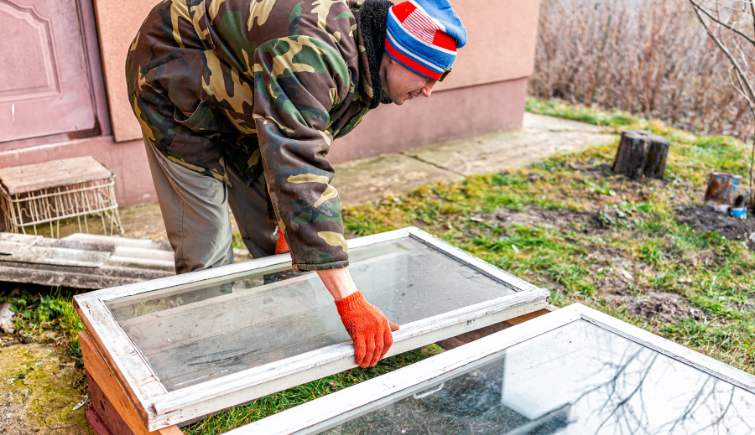
Winter garden projects teach participants how to grow food during the colder months. These projects can include setting up greenhouses, using cold frames, or utilizing techniques like hydroponics to grow vegetables year-round. The goal is to help people extend the growing season, increase food security, and reduce reliance on storeEmergency Food Kits
Emergency food kits are pre-packaged meal kits designed to provide essential nutrition in case of natural disasters, emergencies, or periods of food scarcity. These kits can be distributed to community members in need, ensuring that they have access to food during times when grocery stores may be inaccessible or when theyPersonal Budgeting Workshops
Personal budgeting workshops teach individuals and families how to manage their income, expenses, savings, and debt to achieve financial stability. These workshops typically cover the basics of tracking spending, setting financial goals, creating and maintaining a budget, and building an emergency fund. Participants learn how to makeHealthy Cooking Classes
Healthy cooking classes teach participants how to prepare nutritious, affordable meals using whole foods. These classes focus on cooking methods that preserve nutrients, meal planning on a budget, and understanding the benefits of a balanced diet. By providing the skills to cook healthy meals, these classes help buildRepair Cafés
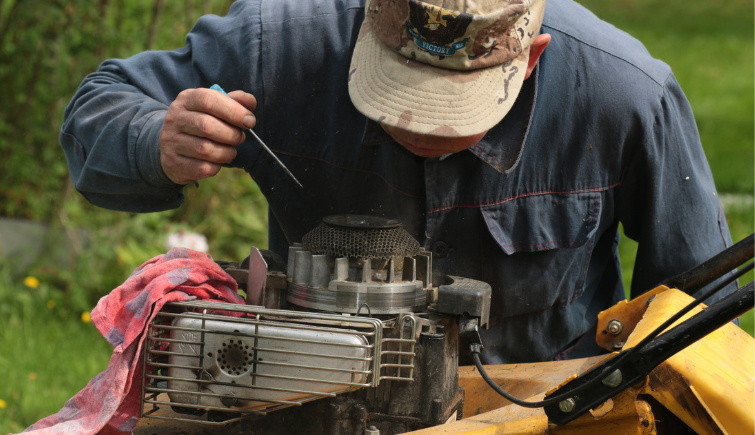
Repair cafés are community-driven events where people bring in broken household items such as electronics, clothing, furniture, or appliances to be repaired by volunteers with the necessary skills. These events encourage repair rather than disposal, reducing waste and teaching individuals valuable repair skills. Repair cafés foster sustainability, community collaboration, and Gardening for Therapy
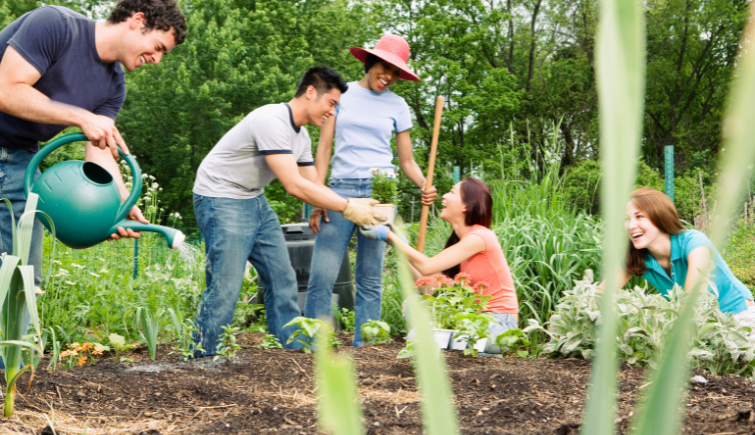
Gardening for therapy programs focus on using gardening as a tool to improve mental health and well-being. Participants engage in planting, nurturing, and harvesting plants, which can have therapeutic benefits such as reducing stress, enhancing mood, and fostering a a sense of accomplishment. Gardening offers a hands-on way toBackyard Beekeeping Classes
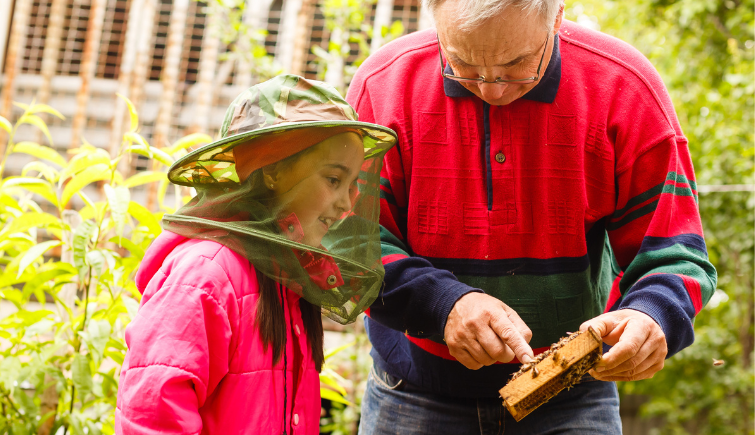
Backyard beekeeping classes teach individuals how to start and maintain beehives in their own yards. These classes cover topics such as hive setup, bee behavior, honey production, and the ecological importance of pollinators. Beekeeping is a valuable skill that contributesBudget Cooking Competitions
Budget cooking competitions challenge participants to create delicious and nutritious meals using a limited budget. These events can showcase participants’ creativity and culinary skills while emphasizing the importance of cooking on a budget. By focusing on cost-effective ingredients and meal planning, these competitionsHome Safety InspectionsÂ
Home safety inspection workshops teach participants how to conduct safety checks in their homes, ensuring they meet safety standards and prevent accidents. These inspections can cover electrical systems, fire safety, water heaters, smoke alarms, and other common household hazards. By addressing these issuesWellness Fairs
Wellness fairs bring together local health professionals, fitness experts, nutritionists, and wellness organizations to provide the community with access to free health screenings, wellness advice, and resources. These events can include flu shots, blood pressure checks, health consultations, fitness demonstrations, and nutrition counseling. Wellness fairs promote preventative careSupport Groups for Caregivers
Support groups for caregivers provide a safe and empathetic space for individuals who care for family members or friends with chronic illnesses, disabilities, or age-related conditions. These groups offer emotional support, share caregiving strategies, and connect caregivers with local resources. By providing aDIY Emergency Water Filtration Kits
This class teaches participants how to assemble water filtration kits using materials like charcoal, sand, and buckets, providing clean water in emergencies. The focus is on affordability and practicality. Resources Needed: Charcoal, sand, buckets, and filters. ALeadership Book Club
Start a book club that focuses on books about leadership, advocacy, and community organizing. Discussions can provide insight into practical strategies for building stronger communities. Resources Needed: Books or e-books, discussion guides, and meeting space. A Grange hall is ideal. Without a hall, libraries orCommunity Storytelling Nights
Host storytelling events where participants share personal experiences about advocating for change or overcoming challenges. These stories can inspire others to take action and become community leaders. Resources Needed: A stage or microphone and promotional materials. A Grange hall is ideal. Without a hall, libraries or coffeeHow to Lobby Effectively
Offer training on lobbying at the local and state levels, teaching participants how to prepare presentations, understand legislation, and meet with elected officials. Resources Needed: Policy guides, role-playing scenarios, the State or National Grange legislative director or seasoned member that has previously effectiveLeadership Role Shadowing Program
Create a shadowing program where aspiring leaders can spend a day observing local officials, business owners, or nonprofit directors. This hands-on experience provides valuable insights into leadership roles and decision-making processes in various settings. ResourcesBuy Local Awareness WeekÂ
Working with your local Chamber of Commerce or governing body, designate a week dedicated to buying local, and get local businesses on board to host open houses, special promotions, and community talks about the economic benefits of local spending. The Grange may want to focus on agri-businesses andLeadership Through Civic Art Projects
Engage the community in a public art project, such as painting a mural or creating sculptures that reflect the community’s values or history. Assign leadership roles to participants to manage tasks like fundraising, design coordination, or volunteer“Made in Our Town” Gift Boxes
Create and sell gift boxes featuring locally made products, such as handmade soaps, jams, or crafts. These boxes can be marketed for holidays, birthdays, or welcome gifts for new residents. Profits can support the Grange or a community improvement project, while the initiative promotes local artisans and producers. Resources
- School meal assistance programs provide funding or donated meals to ensure children in need have access to healthy, nutritious lunches or breakfasts during school hours. These programs can help combat food insecurity in communities where families may struggle to provide balanced meals. Granges can sponsor
Seed Libraries
A seed library allows community members to borrow seeds for gardening, encouraging self-sufficiency and biodiversity. Participants grow their own food, save seeds from their harvest, and return them to the library for others to use. This initiative supports local food security by fostering sustainable gardening practices, especially in communities where access to quality seeds might be limited.Low-Cost Community Dinners
Low-cost community dinners are a great way to bring people together while addressing food insecurity. These events provide affordable meals, often focusing on healthy options that meet the dietary needs of a diverse community. These dinners are especially useful for low-income or senior members who may struggle to cook for themselvesFruit Tree Planting Drives
Fruit tree planting drives provide a long-term, sustainable source of fresh fruit for communities. This initiative encourages community members to participate in planting fruit trees on public land, school grounds, or other shared spaces, offering an ongoing supply of nutritious food. These programs also help green the community andFood Waste Reduction Programs
Food waste reduction programs promote the responsible use of food by educating individuals and families on how to minimize waste in the kitchen. These programs might include composting, proper food storage, and creative ways to repurpose leftovers. The goal isNutritional Education in Schools
Nutritional education in schools helps teach children about the importance of healthy eating and how to make nutritious food choices. Granges can partner with local schools to offer workshops, cooking demonstrations, and interactive lessons about nutrition. TheseGarden Tool Drives
A garden tool drive collects donations of gardening tools, such as shovels, rakes, hoses, and gloves, to support community members who want to start gardening but cannot afford the necessary equipment. The tools can be distributed to individuals, families, or community gardens to helpEdible Plant Tours
Edible plant tours introduce community members to the wild and cultivated edible plants in their area. These tours teach participants how to identify and forage for food in local parks, forests, or backyards. The goal is to increase self-sufficiency by teaching individuals how to gather food from the naturalRoot Cellar Workshops
Root cellar workshops teach participants how to build and maintain root cellars for storing food during the winter months. Root cellars are an effective way to preserve vegetables, fruits, and other perishables by keeping them cool and moistYouth Food Ambassadors
Youth food ambassador programs empower young people to become advocates for healthy eating and food security within their communities. These ambassadors can organize events, conduct food drives, or lead educational initiatives about nutrition and sustainable agriculture. The program provides youth with leadershipClothing and Food Swap Events
Clothing and food swap events allow community members to exchange clothing and non-perishable food items they no longer need. This reduces waste and gives individuals access to essential items without having to spend money. The events can foster a spirit of cooperation and Individual & Community Resilience by encouragingWinter Garden Projects
Winter garden projects teach participants how to grow food during the colder months. These projects can include setting up greenhouses, using cold frames, or utilizing techniques like hydroponics to grow vegetables year-round. The goal is to help people extend the growing season, increase food security, and reduce reliance on storeEmergency Food Kits
Emergency food kits are pre-packaged meal kits designed to provide essential nutrition in case of natural disasters, emergencies, or periods of food scarcity. These kits can be distributed to community members in need, ensuring that they have access to food during times when grocery stores may be inaccessible or when theyPersonal Budgeting Workshops
Personal budgeting workshops teach individuals and families how to manage their income, expenses, savings, and debt to achieve financial stability. These workshops typically cover the basics of tracking spending, setting financial goals, creating and maintaining a budget, and building an emergency fund. Participants learn how to makeHealthy Cooking Classes
Healthy cooking classes teach participants how to prepare nutritious, affordable meals using whole foods. These classes focus on cooking methods that preserve nutrients, meal planning on a budget, and understanding the benefits of a balanced diet. By providing the skills to cook healthy meals, these classes help buildRepair Cafés
Repair cafés are community-driven events where people bring in broken household items such as electronics, clothing, furniture, or appliances to be repaired by volunteers with the necessary skills. These events encourage repair rather than disposal, reducing waste and teaching individuals valuable repair skills. Repair cafés foster sustainability, community collaboration, andGardening for Therapy
Gardening for therapy programs focus on using gardening as a tool to improve mental health and well-being. Participants engage in planting, nurturing, and harvesting plants, which can have therapeutic benefits such as reducing stress, enhancing mood, and fostering a a sense of accomplishment. Gardening offers a hands-on way toBackyard Beekeeping Classes
Backyard beekeeping classes teach individuals how to start and maintain beehives in their own yards. These classes cover topics such as hive setup, bee behavior, honey production, and the ecological importance of pollinators. Beekeeping is a valuable skill that contributesBudget Cooking Competitions
Budget cooking competitions challenge participants to create delicious and nutritious meals using a limited budget. These events can showcase participants’ creativity and culinary skills while emphasizing the importance of cooking on a budget. By focusing on cost-effective ingredients and meal planning, these competitionsHome Safety InspectionsÂ
Home safety inspection workshops teach participants how to conduct safety checks in their homes, ensuring they meet safety standards and prevent accidents. These inspections can cover electrical systems, fire safety, water heaters, smoke alarms, and other common household hazards. By addressing these issuesWellness Fairs
Wellness fairs bring together local health professionals, fitness experts, nutritionists, and wellness organizations to provide the community with access to free health screenings, wellness advice, and resources. These events can include flu shots, blood pressure checks, health consultations, fitness demonstrations, and nutrition counseling. Wellness fairs promote preventative careSupport Groups for Caregivers
Support groups for caregivers provide a safe and empathetic space for individuals who care for family members or friends with chronic illnesses, disabilities, or age-related conditions. These groups offer emotional support, share caregiving strategies, and connect caregivers with local resources. By providing aDIY Emergency Water Filtration Kits
This class teaches participants how to assemble water filtration kits using materials like charcoal, sand, and buckets, providing clean water in emergencies. The focus is on affordability and practicality. Resources Needed: Charcoal, sand, buckets, and filters. ALeadership Book Club
Start a book club that focuses on books about leadership, advocacy, and community organizing. Discussions can provide insight into practical strategies for building stronger communities. Resources Needed: Books or e-books, discussion guides, and meeting space. A Grange hall is ideal. Without a hall, libraries orCommunity Storytelling Nights
Host storytelling events where participants share personal experiences about advocating for change or overcoming challenges. These stories can inspire others to take action and become community leaders. Resources Needed: A stage or microphone and promotional materials. A Grange hall is ideal. Without a hall, libraries or coffeeHow to Lobby Effectively
Offer training on lobbying at the local and state levels, teaching participants how to prepare presentations, understand legislation, and meet with elected officials. Resources Needed: Policy guides, role-playing scenarios, the State or National Grange legislative director or seasoned member that has previously effectiveLeadership Role Shadowing Program
Create a shadowing program where aspiring leaders can spend a day observing local officials, business owners, or nonprofit directors. This hands-on experience provides valuable insights into leadership roles and decision-making processes in various settings. ResourcesBuy Local Awareness WeekÂ
Working with your local Chamber of Commerce or governing body, designate a week dedicated to buying local, and get local businesses on board to host open houses, special promotions, and community talks about the economic benefits of local spending. The Grange may want to focus on agri-businesses andLeadership Through Civic Art Projects
Engage the community in a public art project, such as painting a mural or creating sculptures that reflect the community’s values or history. Assign leadership roles to participants to manage tasks like fundraising, design coordination, or volunteer“Made in Our Town” Gift Boxes
Create and sell gift boxes featuring locally made products, such as handmade soaps, jams, or crafts. These boxes can be marketed for holidays, birthdays, or welcome gifts for new residents. Profits can support the Grange or a community improvement project, while the initiative promotes local artisans and producers. Resources